

The Claim
“You lose up to 90 percent of your body heat through your head, so always wear a hat.” It’s one of those pieces of advice that gets repeated so often, so confidently, by so many well-meaning relatives, that nobody thinks to question it. It shows up in winter coat ads, in parenting forums, in the lecture your coach gave before every cold-weather practice. The number attached to it changes depending on who’s telling the story, usually landing somewhere between 40 and 90 percent, but the core idea stays the same: your head is a uniquely leaky radiator and everything else barely matters.
Where This Idea Came From
The myth traces back to a decades-old military research exercise, the kind of thing that gets referenced constantly but rarely examined closely. The general story goes that researchers measured heat loss from subjects exposed to cold while wearing winter survival gear that covered everything except the head. Unsurprisingly, since the head was the only uncovered part of the body, it accounted for the overwhelming majority of the heat escaping. That’s not a discovery about the head being special. That’s just basic physics: heat escapes from whatever skin is exposed to cold air.
Somewhere between that original testing setup and your uncle’s dinner table lecture, the context got dropped. “Heat escapes from exposed skin” became “heat escapes from your head specifically,” and the number got repeated so many times it calcified into common knowledge.

A Simple Thought Experiment
If the head really did lose heat at some dramatically higher rate than other body parts, you’d expect the same effect no matter what else you were wearing. But that’s not how it works. Cover your legs and leave your head bare, and most of your measurable heat loss will come from your head, simply because it’s the only part exposed. Reverse it, bare legs and a hooded parka, and now your legs are doing the losing. The body isn’t funneling heat out through one preferred exit. Heat moves wherever there’s exposed skin and a temperature difference with the surrounding air.
What the Science Actually Says
Heat loss is, roughly speaking, proportional to surface area exposed and the temperature gradient between your skin and the environment. The head does have a few things working slightly against it: it’s rich in blood vessels close to the surface, and people are less likely to add extra insulating layers to it compared to, say, their torso. But “slightly more prone to heat loss per square inch, under certain conditions” is a far cry from “responsible for the majority of your total heat loss no matter what you’re wearing.”
- Surface area matters more than location. A bare torso loses more total heat than a bare head simply because it’s bigger.
- Insulation habits skew our perception. People routinely leave their heads uncovered while bundling the rest of their body, which makes head heat loss feel disproportionate in everyday experience.
- Blood flow plays a role, but a modest one. The scalp and face do have good circulation, which can make cold exposure there feel more intense, but “feels cold” and “accounts for most of your heat loss” aren’t the same claim.
Why This Myth Persists
Part of the staying power here is that the advice itself isn’t harmful. Wearing a hat in cold weather is genuinely sensible, so there’s little incentive for anyone to push back on the reasoning behind it. Nobody gets hurt by over-crediting their beanie. The myth also has that satisfying shape of “specific number plus body part,” which makes it easy to remember and repeat with confidence, even though the number was never really measuring what people think it was measuring.
There’s also a simple availability bias at work. Most of us have, at some point, gone outside in winter with a hat and a coat but no gloves, and felt our hands get cold fast. Flip that around and leave the head bare while everything else is covered, and of course the head will feel like the problem. That personal experience, repeated across millions of people bundling up in slightly inconsistent ways, is enough to keep the myth feeling true even without anyone checking the actual physics.
So Should You Still Wear a Hat?
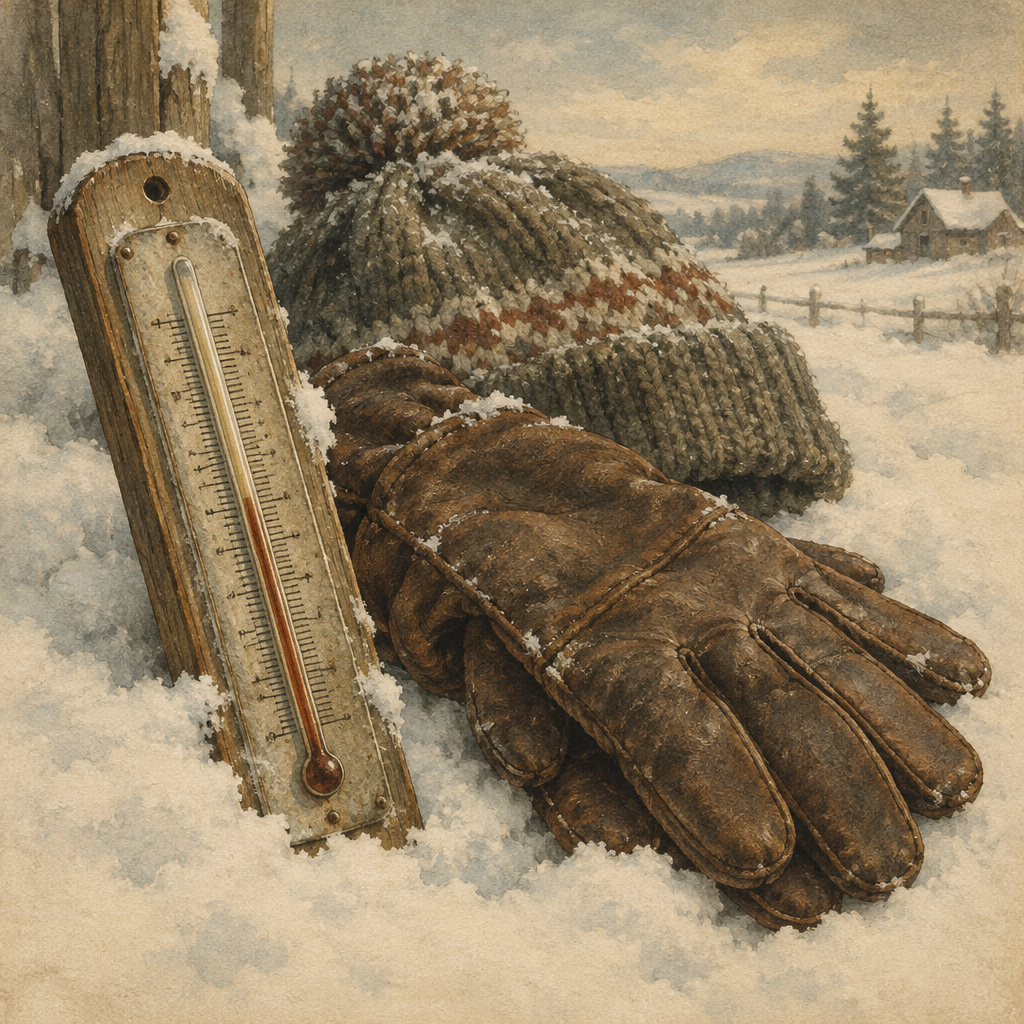
Yes, for the same reason you should wear gloves, wear a scarf, or cover any other skin that’s exposed to cold air. A hat prevents heat loss from your head in exactly the same way a coat prevents heat loss from your torso: by covering exposed skin and trapping a layer of warm air. The practical advice holds up fine. It’s the explanation underneath it, the idea that your head is some kind of special thermal escape hatch, that doesn’t survive scrutiny.
Our Verdict
This one lands as Mostly Fiction. The behavioral advice (cover exposed skin in cold weather, including your head) is sound. The specific claim that the head loses a dramatically outsized share of body heat regardless of what you’re wearing is a misreading of an old experiment that has been repeated so often it started sounding like settled science. It’s a good reminder that a plausible-sounding number attached to a sensible piece of advice doesn’t automatically make the underlying explanation correct.